Australia is facing an energy crisis. The reasons for it are complex but it boils down to two main factors.
First, the cost of producing energy has increased. Second, demand is starting to outstrip supply.
As a result, the price of electricity is increasing, which is why many households are not only switching to solar but also adding battery storage.
Energy prices are expected to soar even higher in 2023/24
According to the Australian Energy Market Operator (AEMO), the wholesale cost of electricity in the National Electricity Market (which supplies electricity to Australia’s eastern states) increased by a whopping 141% in the first three months of 2022 compared to the same quarter last year.
Unfortunately, the outlook for 2023 isn’t any brighter. In the October 2022, Federal Budget, Treasurer Jim Chalmers warned that electricity tariffs are likely to double over the next two years.
Retailers have little option but to pass cost increases on to the consumer. Alinta Energy, one of Australia’s largest energy retailers, will be hiking their prices by 35% in 2023. Smaller retailers are forecasting price hikes between 23% and up to a staggering 285%.
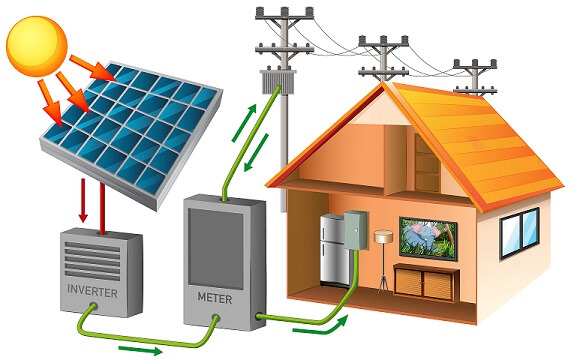
But take heart – there is a way to keep your energy costs down. By installing a residential solar energy system and/or adding battery storage, you can reduce your dependence on the grid and soften the blow of rising electricity costs.
How solar energy and battery storage can slash your energy bill
A standard size (6.6kW-10kW) high-performance solar power system can cost anywhere from $7,000 to $14,000, depending on the size and type of the system. That may seem like a lot of money, but it’s well worth the investment. With the savings it brings, the system typically pays for itself within 3 to 5 years. And as energy prices soar to unprecedented levels in the next 2 years, you could see an even quicker return on investment – simply by using your free solar energy during the day, instead of buying from the grid.
Here’s how to get even more out of your solar power system:
- Add battery storage. A grid-connected solar system will draw energy from the grid when solar power isn’t available, such as at night when most households consume a large chunk of their overall daily energy – running TVs, ovens, lighting and air-conditioning. By adding battery storage, the system will store your unused energy in your batteries, ready for you to draw down on at night.
- Don’t skimp on quality. Not all solar and storage systems are created equal. Cheaper systems don’t perform as well or last as long as higher-quality systems. For the best return on investment, you want a system with a premium inverter and panels that can perform well in all weather conditions – including in low light conditions and on really hot days.
- Invest in a larger size solar system. The price of solar PV systems has decreased, making them more affordable than ever before. Bigger isn’t always better, but if you’re able to use a reasonable amount of electricity during daylight hours and/or you can negotiate a good Solar Feed-In Tariff with an energy retailer, then it can be beneficial spending additional money on a larger system. It’s important to think beyond the here and now. Most of us will have at least 1 electric vehicle in the next 5 years and this will totally change the energy usage profile of our homes. Tesla suggests that charging one of their standard electric cars from empty to full requires 60kWh. This is the equivalent of a 15kW system! That’s just to charge the car, let alone power other appliances in the home.If the difference in price between a 6.6kW and 10kW system is $3,650, buying the 10kW system will most likely offer better value for money in the long run – especially if your household energy consumption is likely to increase in the future. A 10kW system has a greater capacity to cover all your needs. A larger system is also a better option if you want to link it to a battery storage system, as a smaller system may not consistently fill your battery on overcast days.
Even if your energy consumption remains unchanged, you may still benefit from a bigger system. If you don’t use all the power the system generates, you’ll have more energy to store in your batteries. With more surplus energy at your disposal, you could potentially eliminate your reliance on the grid altogether and bring your electricity bill down to $0. Larger systems don’t suit every household, so it’s recommended that an analysis of your current and likely future energy usage is done before deciding on system size. We can help with this :-) - Sell any surplus energy back to the grid. Another benefit of a larger solar system is that you’re likely to generate more power than you use. You can get paid for this excess energy by exporting any unused power back to the grid. For each kWh you export, you receive a credit on your electricity bill. This credit can go towards covering your remaining usage costs and even your daily supply charge, helping you eliminate your bills.
- Install a smart switch. These units can effectively turn your house into a smart home by allowing specific appliances to run only when there’s surplus solar energy (think air conditioners, pool pumps, heat pump hot water, underfloor heating, garden water pumps and irrigation/stock watering pumps). When the sun disappears behind a cloud, the appliance ramps down; when the sun reappears, it kicks in again. If there hasn’t been enough sun for the appliance to achieve the desired result by the end of the day (eg. a hot water heat pump reaching 60°C), the unit will be briefly powered by the grid at the end of the day.
Battery demand has soared
In recent months, as electricity prices have soared and people have become concerned about the reliability of the energy grid. The Energy Experts has experienced a huge increase in the number of homeowners enquiring about and investing in battery storage technology.
Batteries can not only save you money over the long-run, they’ll also reduce your reliance on the grid, giving you more control over your power – especially in the event of a blackout. With the right inverter technology, your battery can be replenished by your solar power system during the day – even during a blackout.
With the cost of electricity expected to increase further, now is a good time to get solar +/- battery storage and save. Get a quote on a residential solar or home battery system or contact us on 1300 516 474 or email save@theenergyexperts.wordifysites.com.